

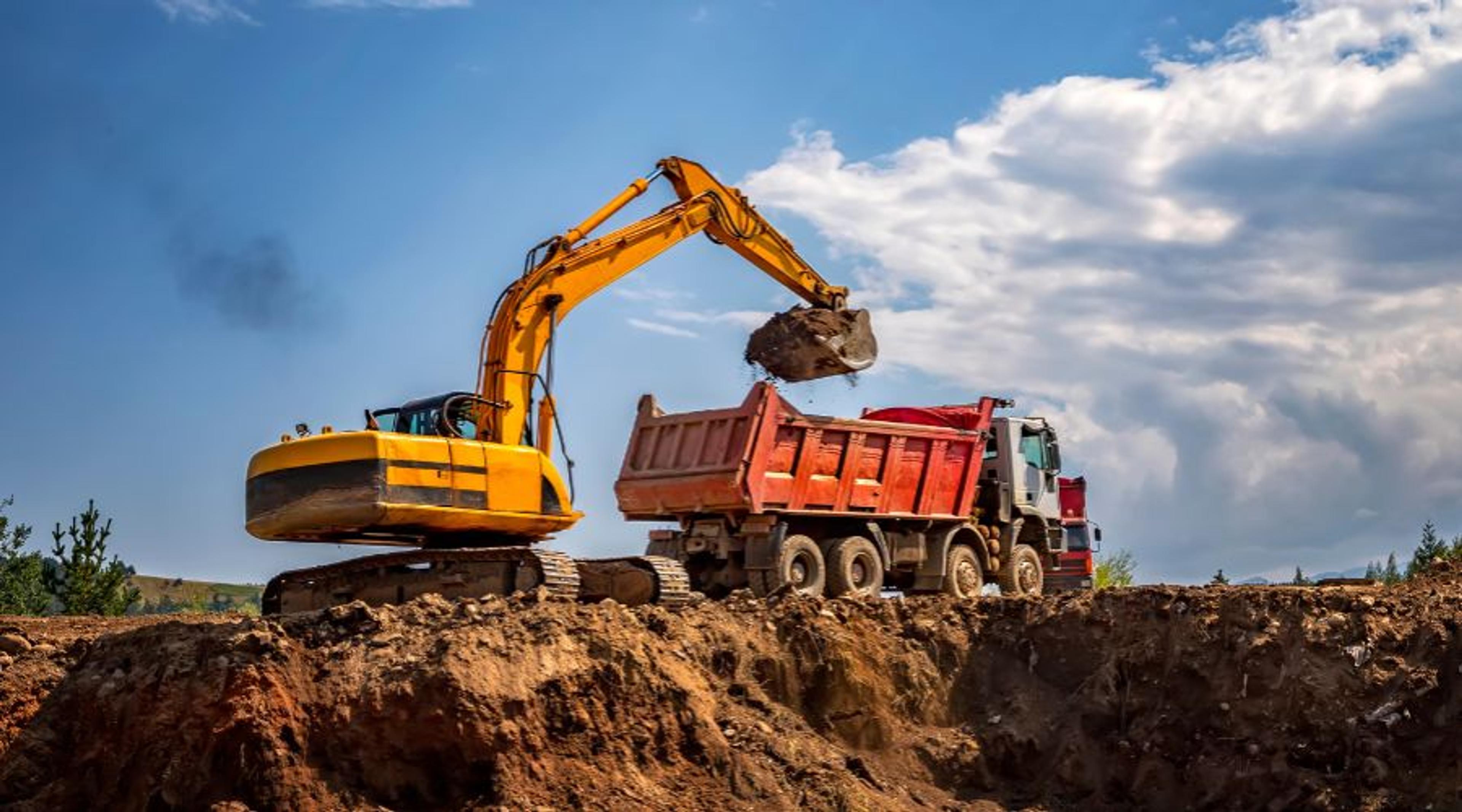
The Environmental and Economic Benefits of Effective Soil Waste Management in the Construction Industry
29 November 2024
In the construction industry, managing waste soil effectively is not just a regulatory requirement but also a significant opportunity to save costs, increase profitability, and contribute to environmental sustainability.
Effective soil management practices can offer construction companies a variety of advantages, both in terms of economics and environmental impact.
Here's a closer look at how proper waste soil management can benefit both the environment and the economy:
Economic Benefits
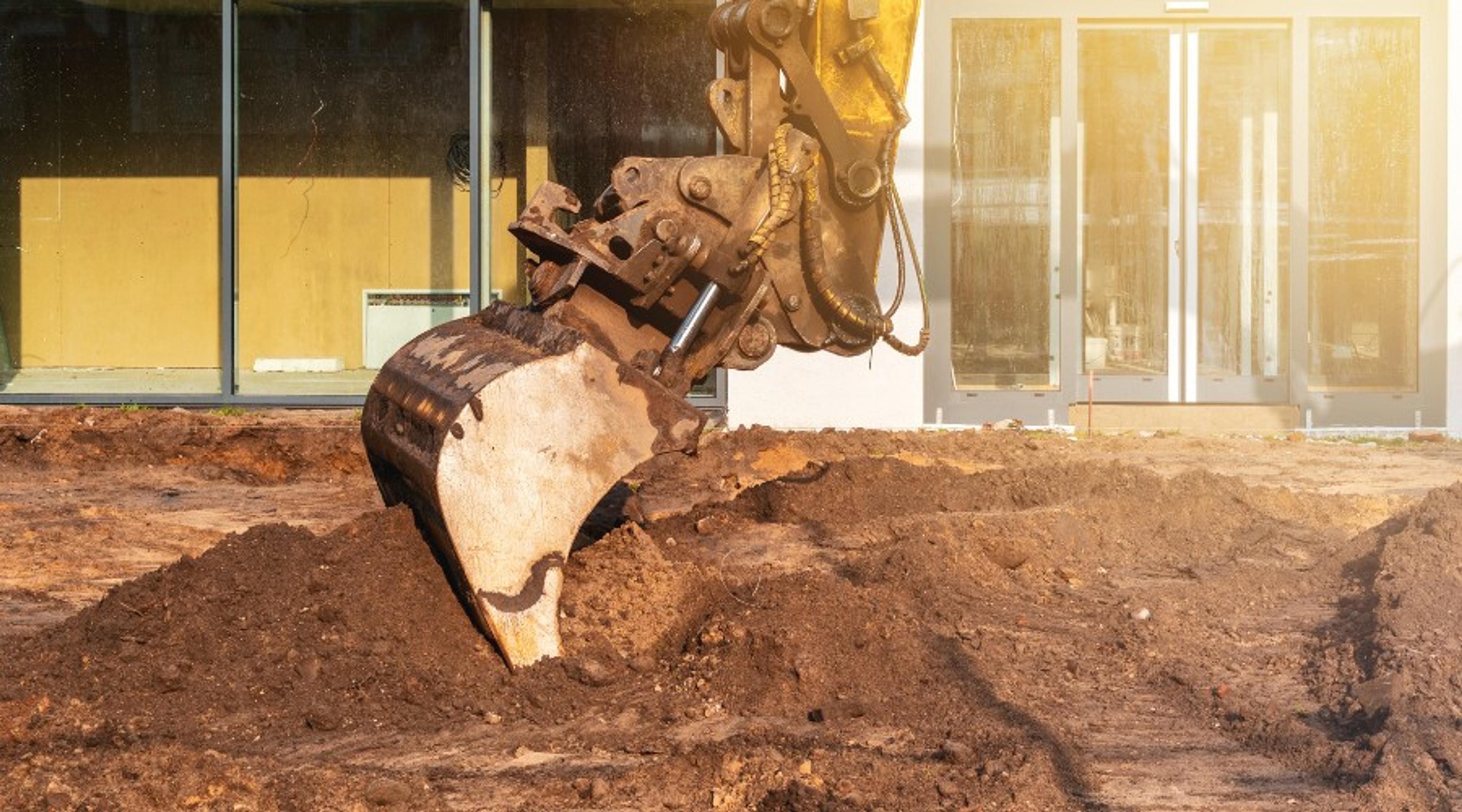
Cost Savings
One of the primary advantages of effective soil management is the potential for significant cost savings. Construction projects often generate large amounts of waste soil, which can be costly to dispose of.
By reusing soil on-site or transferring surplus soil to other developments, companies can reduce the need for costly soil disposal or the purchase of new soil.
A well-crafted Materials Management Plan can help identify opportunities for soil reuse, further reducing costs.
This proactive approach helps companies optimise their resources and maximise project profitability. Additionally, reusing soil reduces the logistical costs associated with transporting new materials to the site, contributing to overall financial savings.
Avoiding Costs of Soil Disposal
Soil disposal can be expensive, especially when large volumes of waste soil accumulate. Many construction companies face steep charges for transporting and disposing of soil.
However, by managing waste soil effectively, businesses can avoid these high costs.
Reusing or redirecting soil for other purposes allows companies to save money and invest those funds in other critical areas of the project.
This also reduces the environmental impact of waste soil disposal, creating a more sustainable approach to construction.
Compliance and Avoidance of Penalties
Staying compliant with local waste management regulations is crucial for construction companies. Regulatory bodies, such as the Environment Agency (EA) and Her Majesty’s Revenue and Customs (HMRC), frequently audit construction sites to ensure proper waste disposal practices. Non-compliance can lead to hefty fines and penalties.
By adopting effective waste soil management practices, companies ensure they meet the legal requirements and avoid potential legal consequences.
Failure to comply can result in penalties, including landfill taxes. By following best practices, companies can minimise their exposure to fines and safeguard their financial interests.
Enhanced Reputation
In today’s environmentally-conscious market, companies that prioritise sustainability often enhance their reputation. Effective waste soil management demonstrates a commitment to responsible resource use and environmental stewardship.
Clients, stakeholders, and communities are increasingly choosing companies that adopt sustainable practices. This not only boosts a company's standing but also opens up opportunities for new business.
Companies that demonstrate a proactive approach to environmental responsibility can attract more clients, gain a competitive advantage, and stand out in the marketplace.
Are you looking to improve your business’ sustainability practices and reduce costs? Contact us at Soiltechnics today to learn how we can help your company implement effective waste soil management solutions.
Environmental Benefits
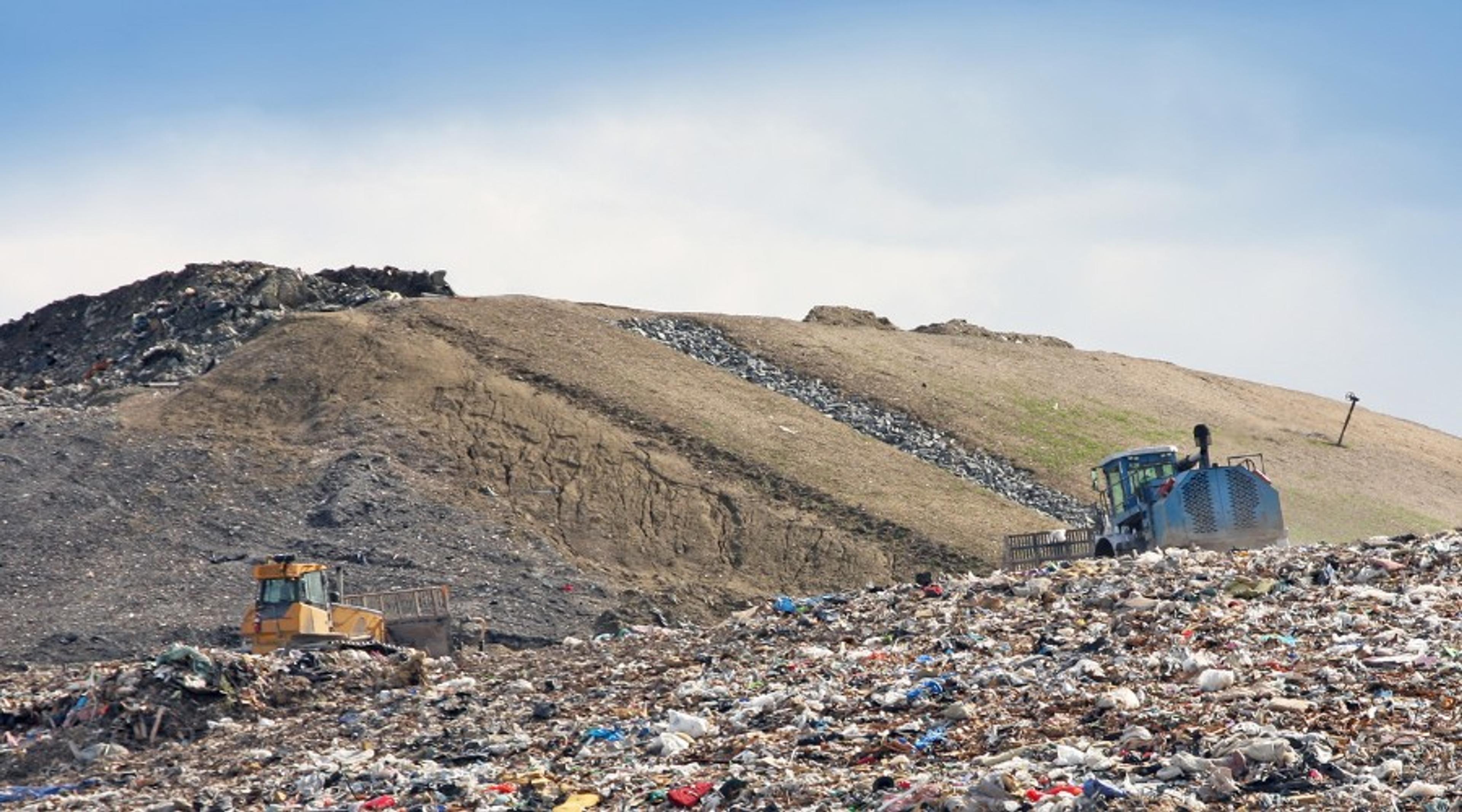
Reduction in Landfill Use
Effective waste soil management helps reduce the volume of soil sent to landfills, conserving landfill space and minimising environmental impact.
Soil is a valuable resource, and diverting it from landfills ensures that it can be reused or recycled for other purposes.
This approach not only supports the conservation of land but also reduces the environmental burden caused by excessive waste.
By implementing a strategy to manage waste soil effectively, construction companies contribute to a reduction in landfill waste, thus promoting a more sustainable approach to construction practices.
Reducing the Impact of Landfills
Landfills are often seen as a necessary evil, but they pose a significant environmental threat. The more waste sent to landfills, the more pressure is put on our limited landfill space, as well as the increased environmental damage that comes from methane emissions.
By reducing the amount of waste soil sent to landfills, construction companies can minimise these environmental risks and help mitigate the overall impact on the planet.
Reduction in Greenhouse Gas Emissions
In addition to saving costs, effective waste soil management helps lower greenhouse gas emissions. The process of extracting, transporting, and processing new soil materials requires significant energy and contributes to the overall carbon footprint of a construction project.
By reusing soil or repurposing surplus material, the need for additional soil extraction and transportation is minimised.
This, in turn, reduces the amount of fuel consumed by transportation vehicles and decreases emissions of harmful gases that contribute to climate change.
By integrating sustainable soil management practices into construction projects, businesses can contribute to global efforts to reduce greenhouse gas emissions and minimise their environmental impact.
Minimising Soil Loss
Soil is a limited and increasingly valuable resource. The construction and agricultural industries both contribute to the depletion of this essential resource, which is vital for maintaining healthy ecosystems and supporting biodiversity.
By adopting sustainable soil management practices, construction companies can help preserve this resource for future generations. Shifting to a model of soil regeneration, rather than waste, can help ensure that soil is used efficiently and kept in circulation.
This transition is a key component of the circular economy, where materials are reused and waste is minimised, contributing to a more sustainable and environmentally responsible industry.
Moving Towards a Sustainable Future Through Effective Soil Management

Effective waste soil management in the construction industry presents a win-win scenario for both the environment and the economy.
By reducing landfill use, minimising the extraction of virgin soil, and cutting greenhouse gas emissions, construction companies can make meaningful contributions to environmental sustainability.
These environmental advantages, when combined with the economic benefits of cost savings, regulatory compliance, and enhanced business reputation, make effective soil management a strategic priority for any construction company.
The importance of proper soil management will only grow as regulatory pressures increase and environmental concerns continue to shape the construction industry.
By embracing these best practices, construction companies not only improve their sustainability efforts but also ensure their long-term profitability and success in a competitive marketplace.
How We Can Help
Contact us at enquiries@soiltechnics.net today to explore how our expert soil management solutions can help your business thrive while supporting environmental sustainability and driving cost-efficiency.